TRADITIONAL 3-STEP SKINCARE!
STEP 1: EXFOLIATE
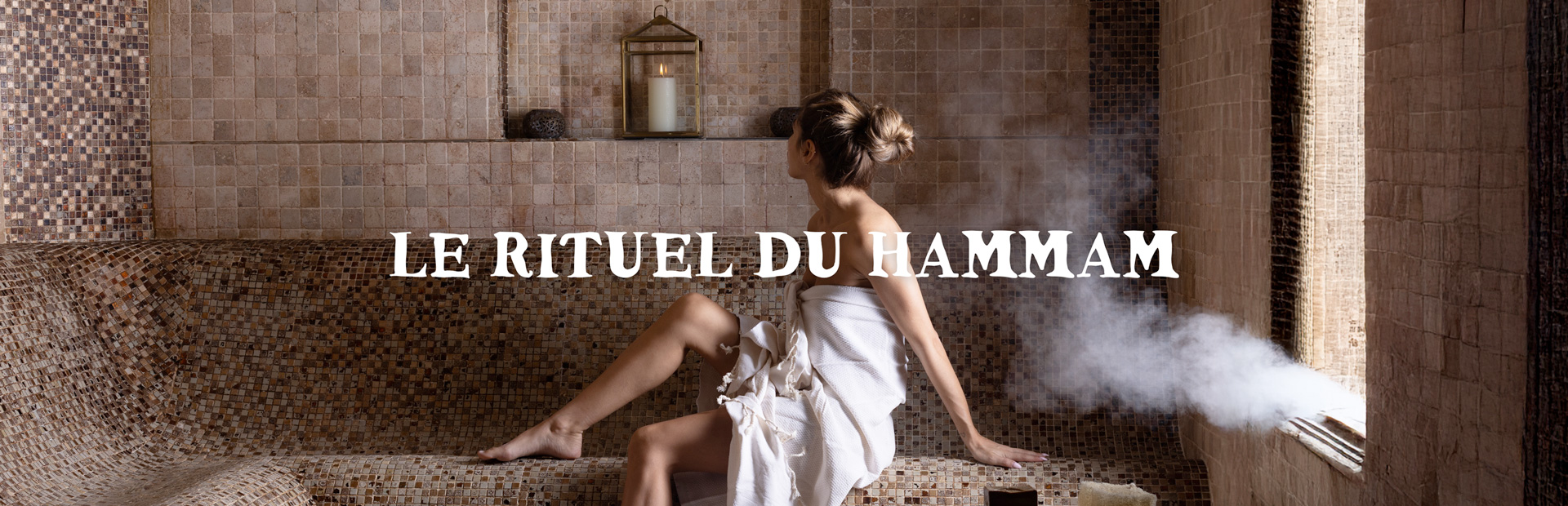
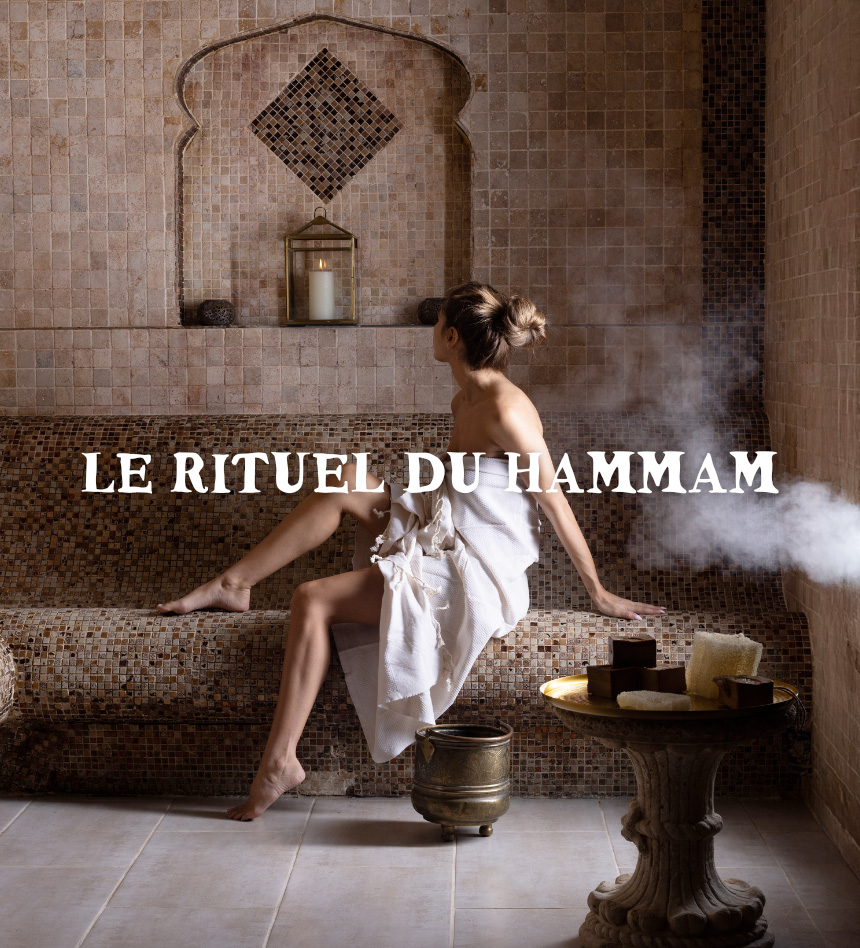
The hammam is much more than just a steam bath: it is a millenary heritage from the East and the Mediterranean basin, a ritual dedicated to purifying the body and enhancing the skin's beauty. Since antiquity, Mediterranean peoples have turned this moment into a way of life, where heat, steam, and ancestral gestures combine to release the body from tension and impurities.
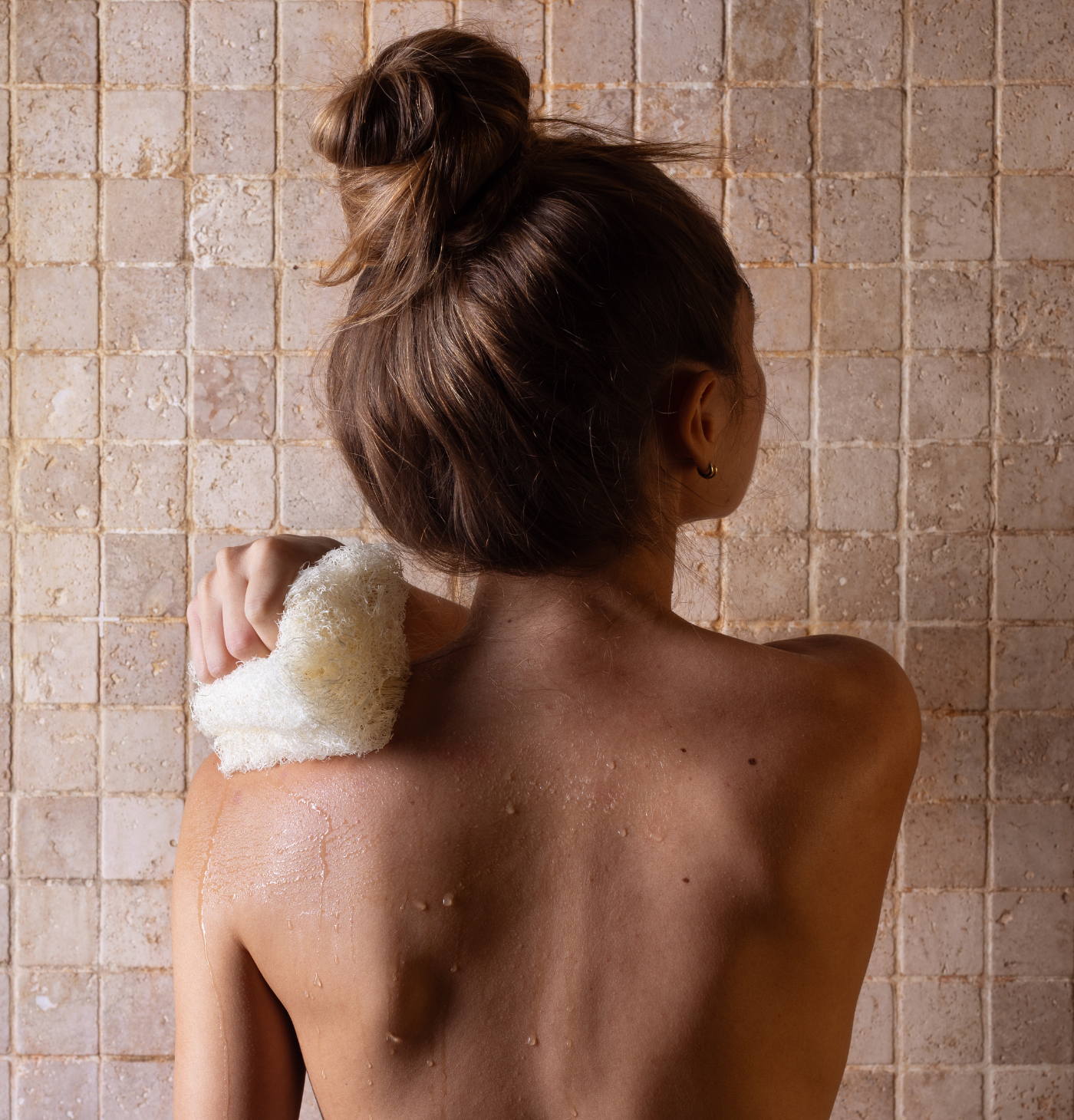
The first step of this ritual is exfoliation, an essential gesture to prepare the skin for treatments. Under the effect of the hammam's heat, the pores open and the skin softens: it is then the ideal time to proceed with the scrub.
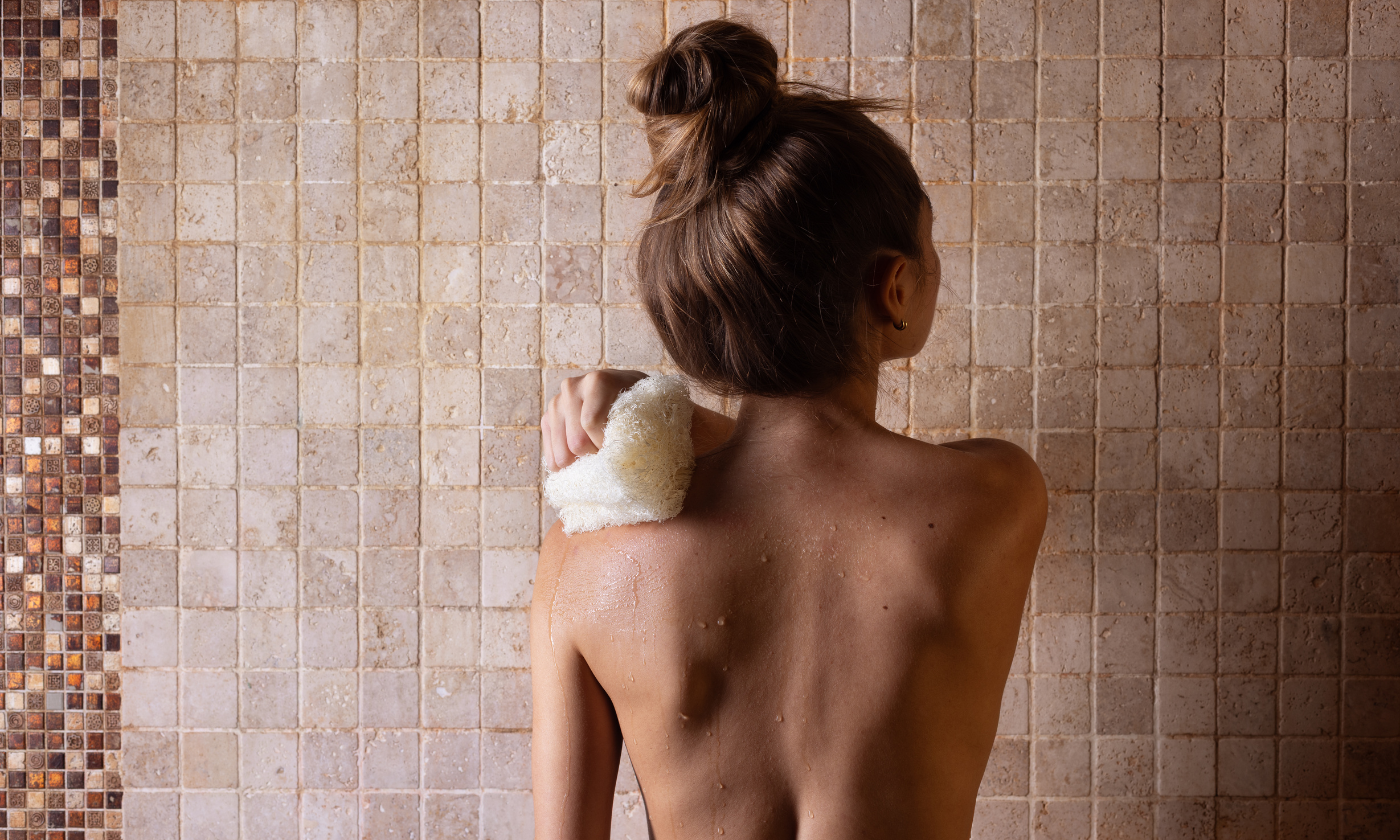
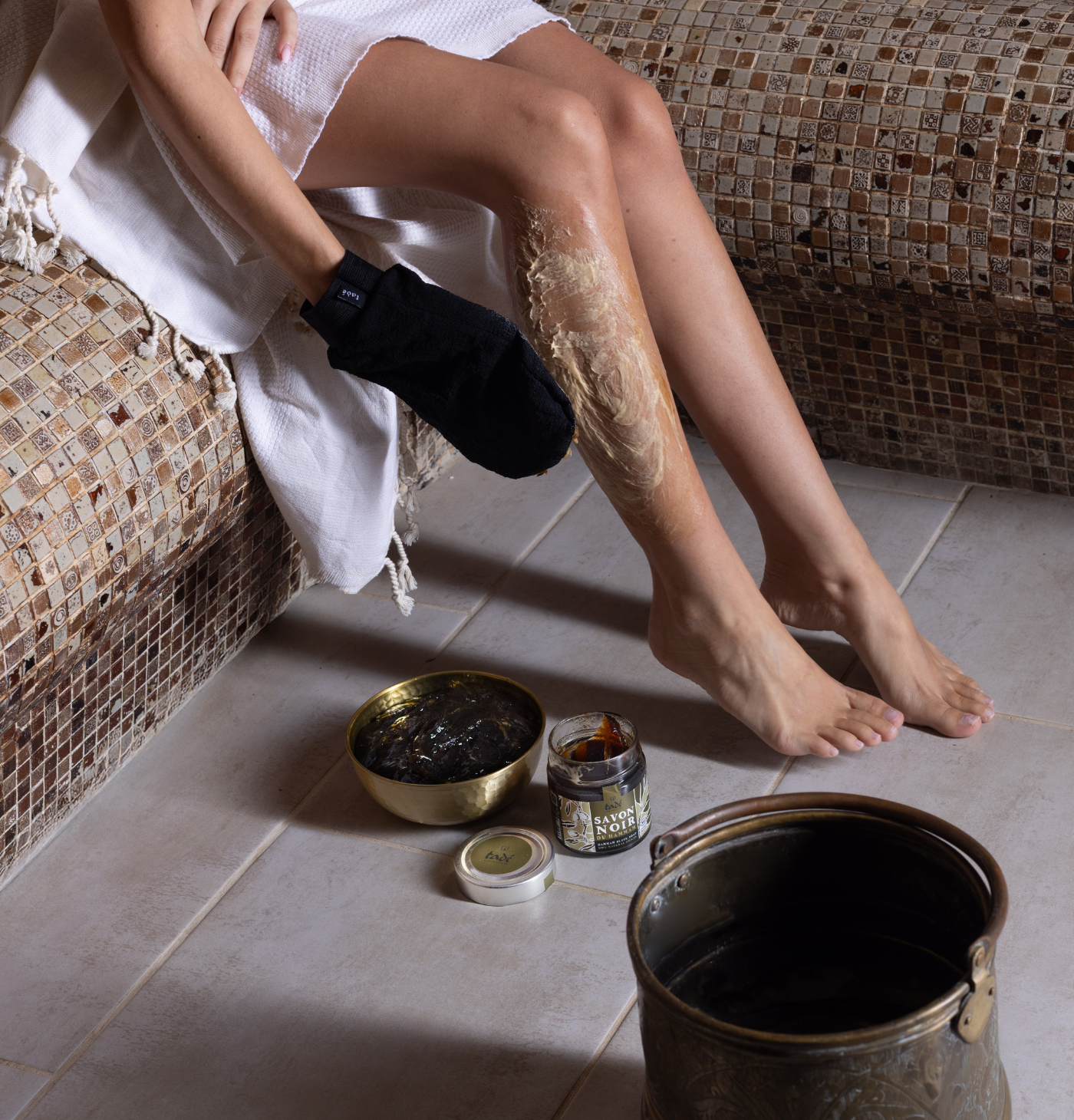
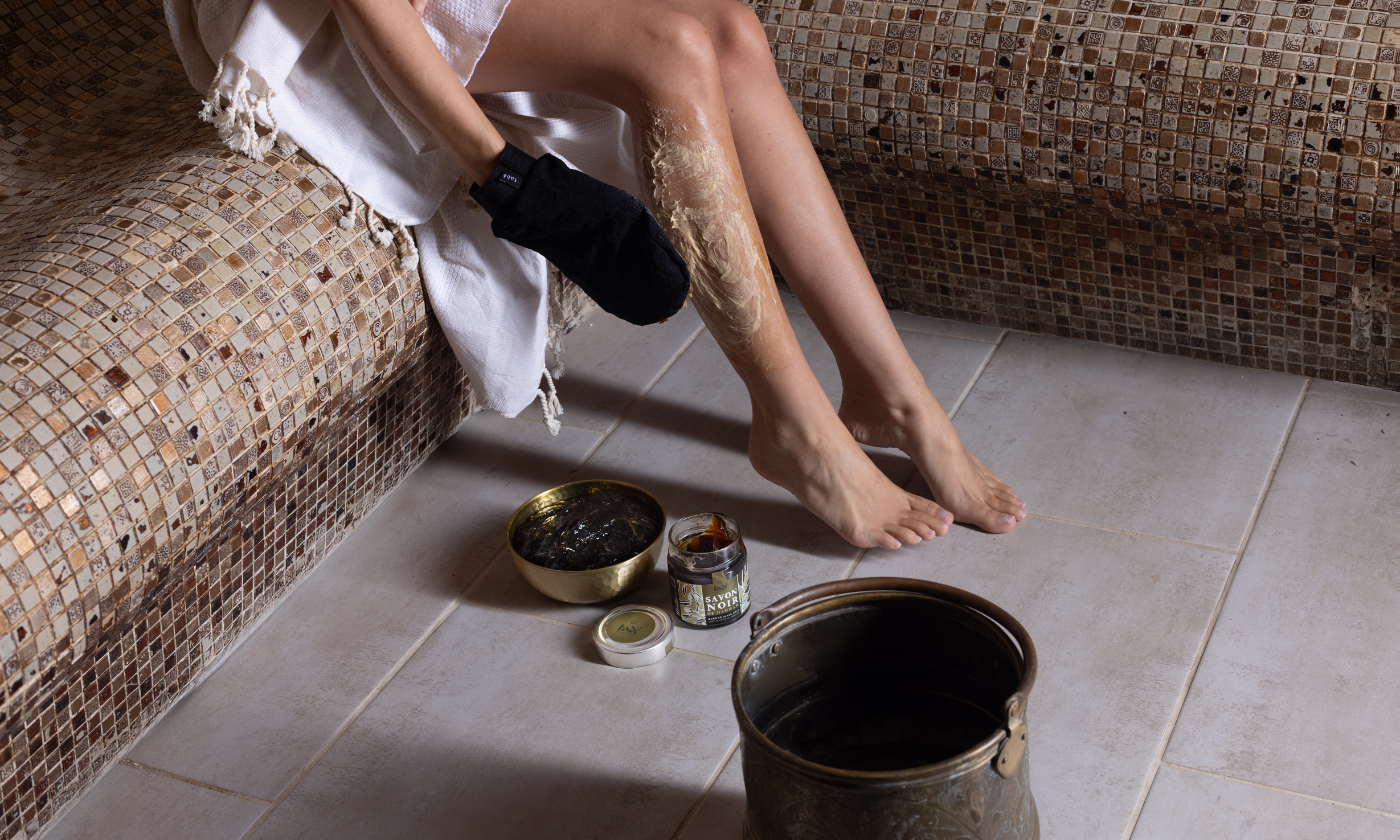
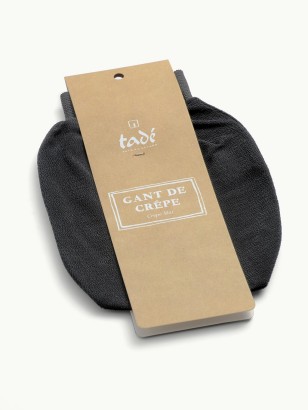
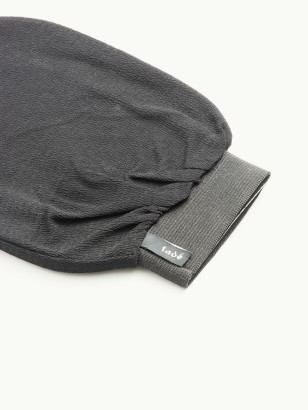
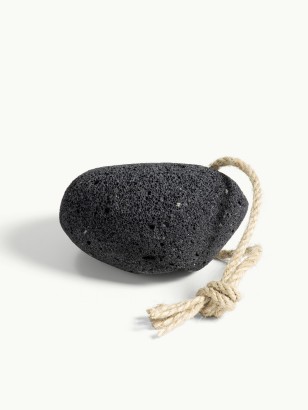
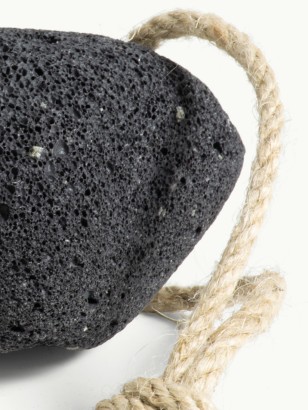
Traditionally, exfoliation is done with a crepe or goat glove, or even with natural loofah sponges, whose texture stimulates microcirculation and eliminates dead cells. To enhance the purifying action, the body can be rubbed with exfoliating Dead Sea salts or a natural scrub.
This gesture, both toning and liberating, reveals softer, smoother, and more radiant skin. It perfectly prepares the body for the following stages of the hammam, where hydration and relaxation will complete this sensory journey.
STEP 2: WASH
In the calm enveloped in steam of the hammam, the heat softens the movements and paves the way for a deeply regenerating moment. A precious heritage of Mediterranean traditions, washing is an almost sacred moment: one where the body is purified, but also the mind, through simple and ancestral gestures.
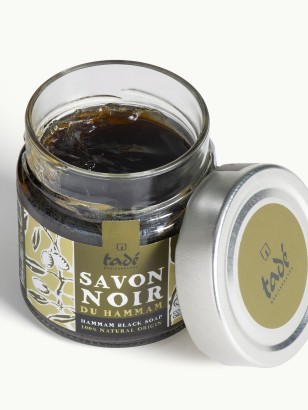
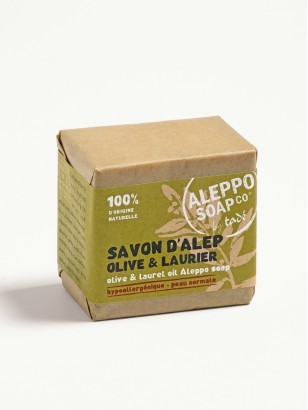
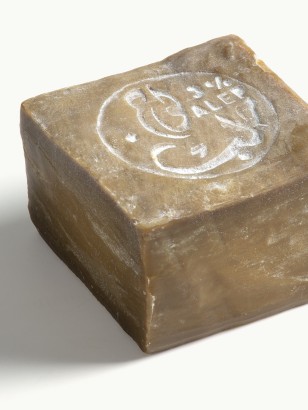
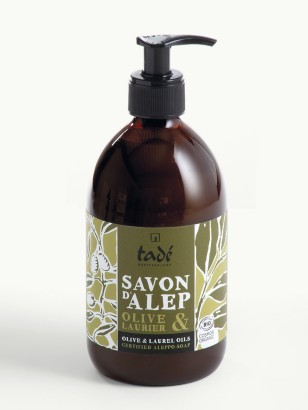
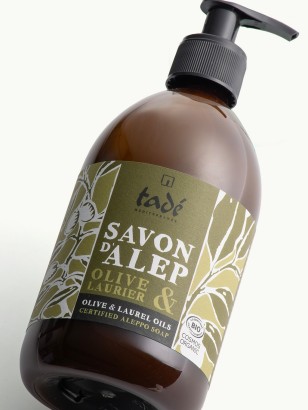
After exfoliation, the skin, softened by the heat, welcomes the foam with a new gentleness. Alep soap, a true treasure of the Orient, glides slowly on the skin, its blend of olive oil and laurel berries releases a vegetal fragrance that soothes and purifies. Black soap, on the other hand, presents itself as a silky and deep paste, rich in olive oil, which envelops the skin in a discreet foam but of incomparable softness.
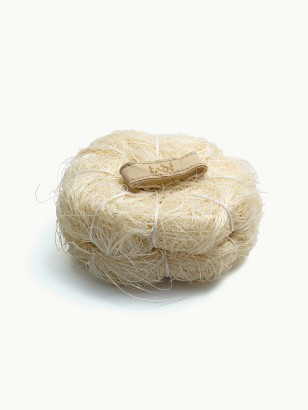
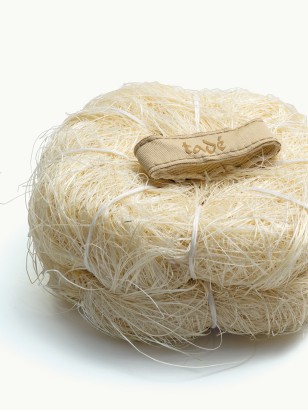
To reveal all the generosity of these soaps, the sisal ball enters the stage: its vegetable fibers, delicately rubbed on the body, allow the soap to foam while massaging the skin with a light natural stimulation. The foam forms, stretches, settles, gesture after gesture, the skin clarifies and breathes.
In this space of heat and steam, the scents of olive and laurel mingle in the air. Time slows down. The water flows, carrying with it the last traces of impurities, but also the accumulated tensions. When the body is rinsed one last time, it seems lighter, clearer, almost renewed.
STEP 3: HYDRATE
The ultimate moment of the ancestral hammam ritual, hydration is a precious moment, when the body, now purified and rid of all impurities, fully indulges in care.
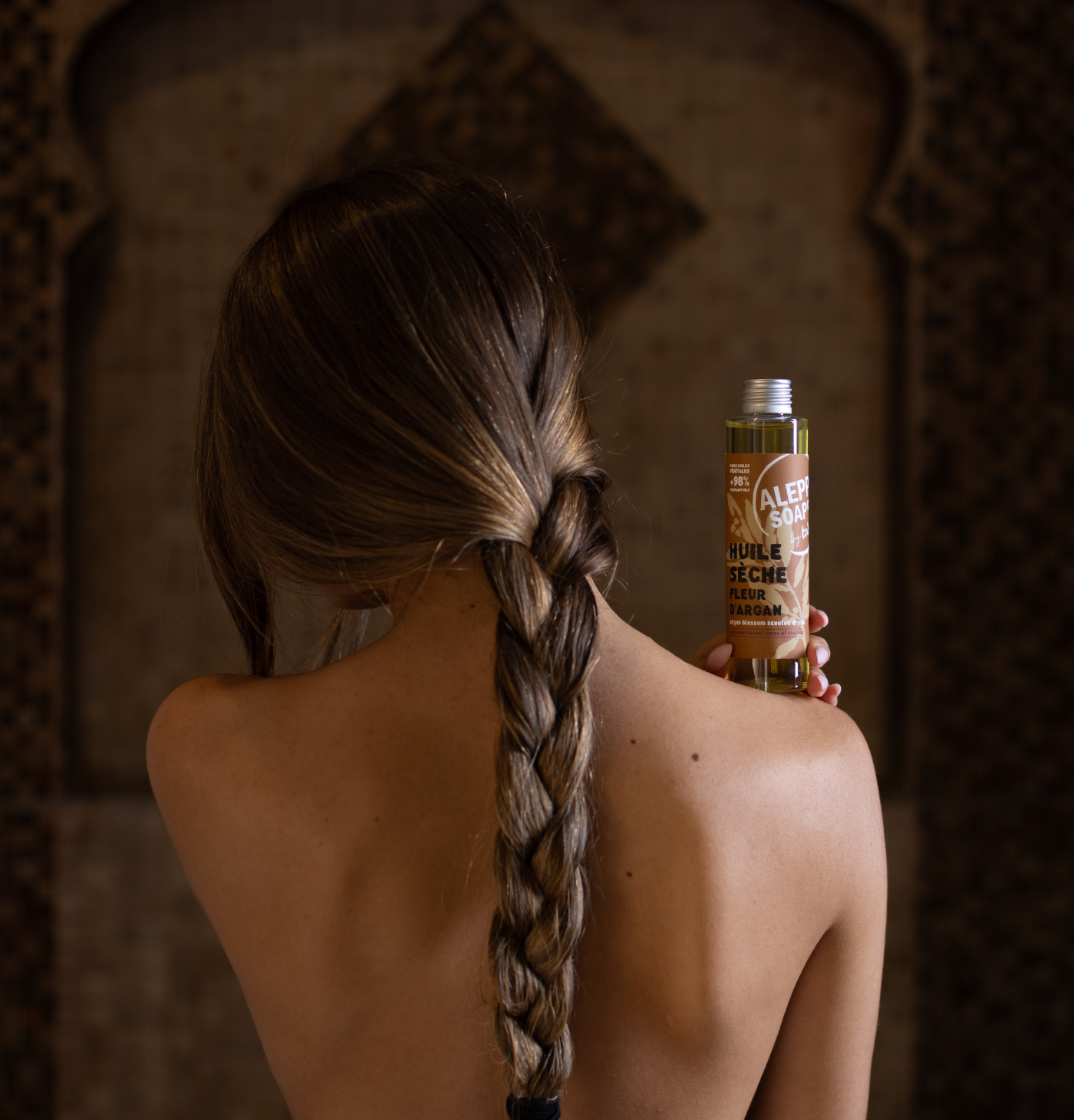
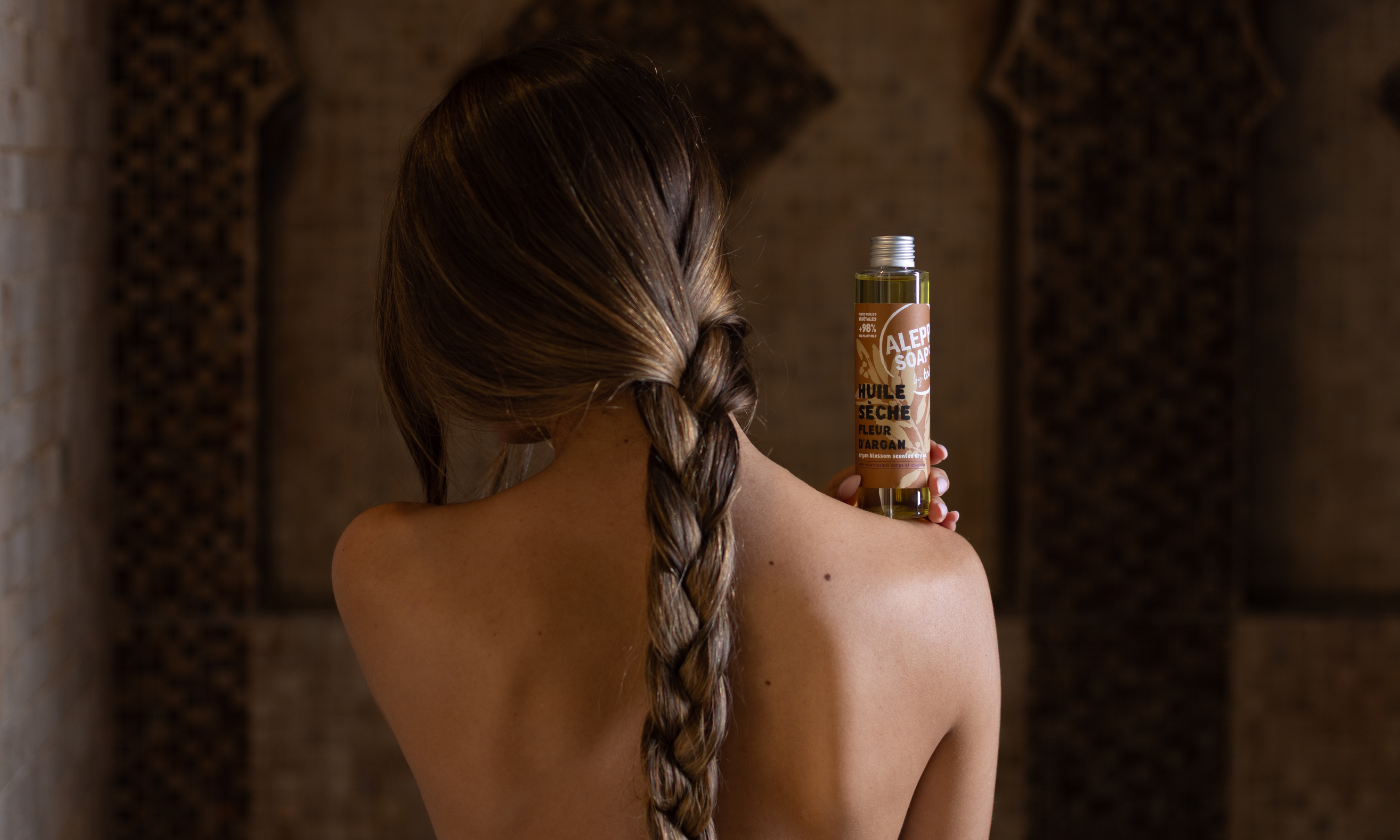
On the still warm skin, fragrant oils are applied like a caress. Their rich texture glides slowly, nourishing the skin deeply. The generous and enveloping massage invites total relaxation. With each gesture, the skin softens, glows, regains its original softness, and becomes fully hydrated.
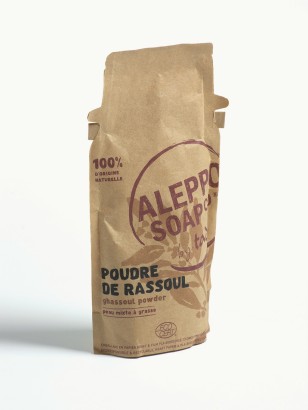
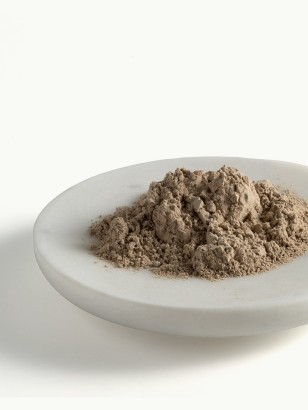
Then comes the application of the rhassoul or clay mask, according to traditions.
Rhassoul, the mineral treasure of Morocco, and natural clays delicately absorb what the heat has released: the last toxins, excess sebum, deep impurities. This mask is spread on the body, face, sometimes even the hair, enveloping each area in a fresh and light sensation.
Under the effect of steam, the pores expand, the skin breathes, tensions dissolve. It is a suspended time, a parenthesis where everything invites letting go: the heat, the scent of oils, the feeling of clay gently drying on the skin.
At the rinsing moment, the skin is regenerated: smoother, softer, deeply soothed. Hydrated and rebalanced, it regains that unique velvety touch that only the hammam ritual can offer.